Why Is My Insurance Estimate Lower Than the Body Shop's?
Why an insurance appraiser's estimate is often lower than a body shop's, what usually makes up the gap, and how Pennsylvania drivers get it resolved.
By Auto Show Collision Center · 932 Reed Street, South Philadelphia
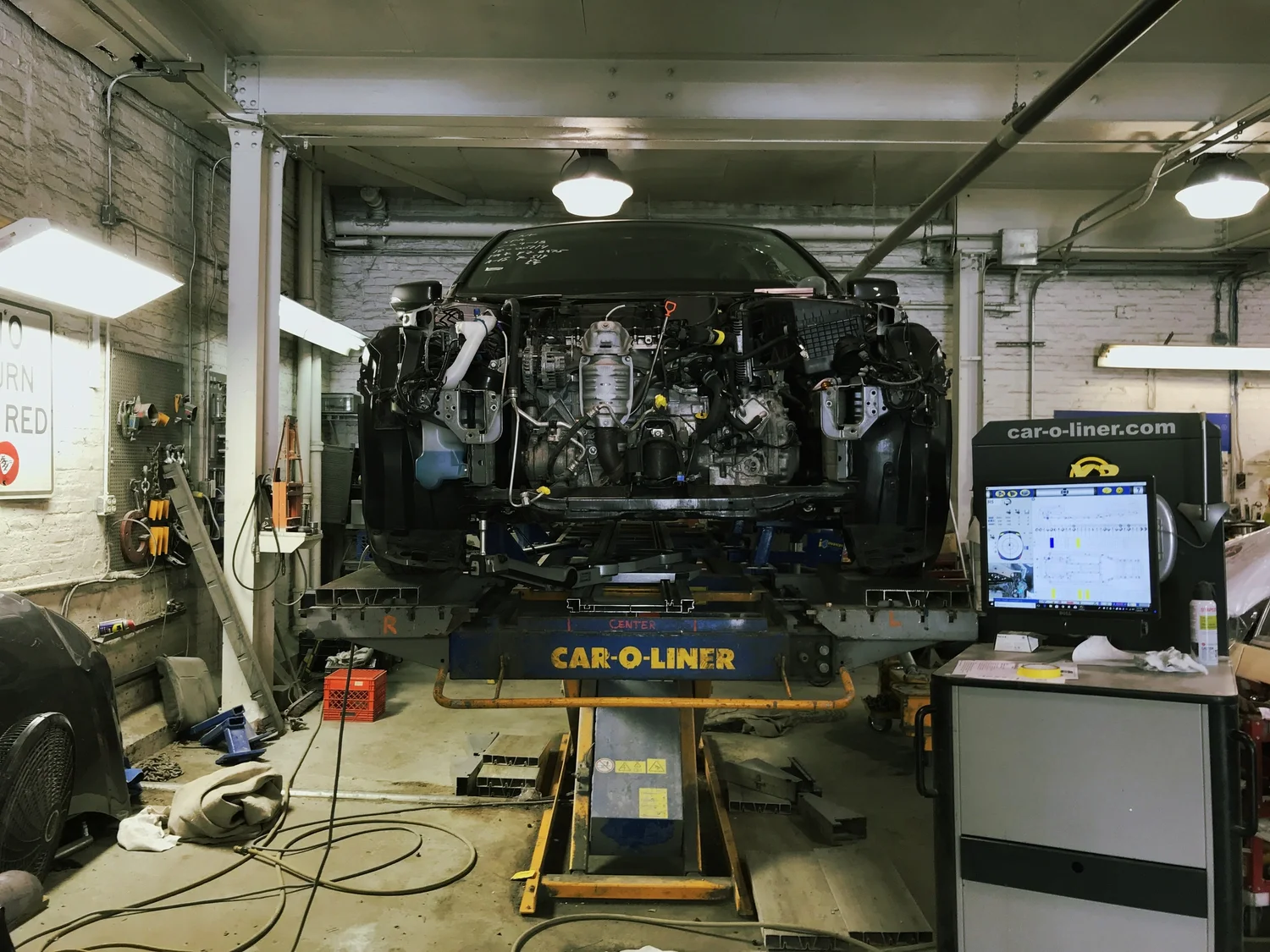
Short answer: An insurance estimate is usually written quickly, often from photos, and only covers damage that can be seen from the outside. A body shop's estimate is based on a closer look and the procedures needed to repair your car properly. The gap usually comes down to hidden damage, the type of parts, labor time, and steps like scans and calibrations, and in Pennsylvania the appraiser and your shop are expected to work it out.
Is It Normal for the Two Estimates to Be Different?
Yes. It's one of the most common things drivers run into after an accident. Two estimates that don't match doesn't mean anyone is cheating you. It usually means the two people looking at the car saw different amounts of it, or priced the repair different ways.
What Usually Makes Up the Difference?
Hidden damage
Most insurance estimates are written before anyone takes the car apart. Pennsylvania's appraisal rule requires an appraisal to describe the repairs "known at the time of appraisal" (31 Pa. Code § 62.3(b)(5)). Crushed brackets behind a bumper cover, a bent radiator support, or damaged sensors often aren't known yet. A shop that looks more closely may include them up front, or they get added later as a supplement. We explain that process in Why Your Repair Estimate Went Up: Supplements Explained.
Type of parts
Insurers often write estimates with aftermarket or used parts, while a shop may price new parts from the carmaker (OEM). Which parts your policy pays for depends on your policy, so it's worth asking. See our guide to OEM vs. aftermarket parts in Pennsylvania.
Labor time and rates
Both insurers and shops write estimates in estimating software, like CCC ONE or Mitchell, that has built-in labor times for each operation. The gap usually comes from what each side adds on top of those times, or from one estimate treating a panel as repairable while the other replaces it. The two estimates may even come from different systems, which happens all the time. The insurer may also pay a lower hourly rate than the shop's posted rate.
Paint and refinish work
Matching paint can mean blending into the panels next to the damaged one, and that blend time is sometimes left off a first estimate. Paint materials are usually charged per hour of refinish time, so any refinish hours left off lower the materials too. Clear coat, three-stage paint, and flex additive for plastic bumpers are other items that commonly get missed.
Small items that add up
A first estimate often leaves off things like removing and reinstalling parts to get access, clips and retainers, corrosion protection, covering the car before painting, and hazardous waste disposal. Each one is small, but together they're real money.
Scans and calibrations
On many newer cars, the carmaker's repair procedures often call for diagnostic scans before and after the repair, and cameras or radar sensors (ADAS) may need to be recalibrated after bumper or windshield work. These are easy to leave off a photo estimate and can add a significant amount.
Who Decides Which Estimate Is Right?
In Pennsylvania, the appraiser is expected to go over the appraisal with your chosen shop. Under § 62.3(f)(3), the appraiser must review it "with an authorized representative of the repair shop which is selected by the consumer." The standard they're working toward is in § 62.3(c): an amount "necessary to return the motor vehicle to its predamaged condition." In practice, the shop shows the insurer what's missing, with photos and repair procedures, and the two agree on an updated amount.
Will I Have to Pay the Difference?
Not necessarily. Items the insurer agrees to are paid through your claim, and you pay your deductible once per claim. But every Pennsylvania appraisal must say "that costs above the appraised amount may be the responsibility of the vehicle owner" (§ 62.3(b)(2)). Upgrades you choose, or items the insurer never approves, could end up on your bill, so ask before the repair starts.
What Should I Do If My Insurance Estimate Is Too Low?
- Don't assume the first check is the final amount. Ask the insurer how supplements are handled if more damage is found.
- Let your shop talk to the appraiser. Shops deal with this every day and can show what was missed.
- Ask for a re-inspection if there's a dispute. Under Pennsylvania law, supplemental estimates can be done from photos or video, but disputed repairs require an in-person inspection (63 P.S. § 861(e)).
- Ask about a second appraisal. The rules don't prevent a reappraisal by a different licensed appraiser if either side wants one (§ 62.3(g)).
- Remember it's your choice of shop. See Can My Insurance Force Me to Use Their Body Shop?
Frequently Asked Questions
Why is the insurance estimate lower than the body shop estimate?
Insurance estimates are usually written from a quick look or photos and only include visible damage. Body shop estimates often add hidden damage, OEM parts, refinish time and materials, small items like clips and corrosion protection, and scans or calibrations.
Can a body shop charge more than the insurance estimate?
The repair can cost more than the first insurance estimate, and the extra is usually sent to the insurer as a supplement for approval. Costs the insurer doesn't approve may be the owner's responsibility.
Does the insurance company have to pay the body shop's price?
Not automatically. The appraiser and your shop review the estimate together, and the goal under Pennsylvania rules is an amount that returns the car to its pre-accident condition.
Can I get a second appraisal?
Yes. Pennsylvania's rules don't prevent a later appraisal or reappraisal by different licensed appraisers if any party wants one.
Got Two Estimates That Don't Match? Bring Them In
Auto Show Collision Center is a family-owned auto body shop at 932 Reed Street in South Philadelphia, serving Philly drivers since 1974. We offer free written estimates, work with all insurance companies, and help arrange rental cars while yours is in the shop. Bring your insurance estimate and we'll walk through it with you. Need a tow? Call DiFranco Towing at (215) 271-2100.
Book your free estimate online or call (215) 463-1755.
Hours: Monday–Friday 8 AM–4 PM, Saturday 8 AM–11 AM.
This article is general information, not legal advice. Check your policy or consult an attorney about your specific claim.
Ready for a Free Estimate?
Auto Show Collision Center — 932 Reed Street, Philadelphia, PA 19147
Mon–Fri 8AM–4PM • Sat 8AM–11AM