Why Your Repair Estimate Went Up: Supplements Explained
Why a body shop estimate goes up after teardown: hidden damage, how PA insurers review supplements, and what to do when your repair estimate changes.
By Auto Show Collision Center · 932 Reed Street, South Philadelphia
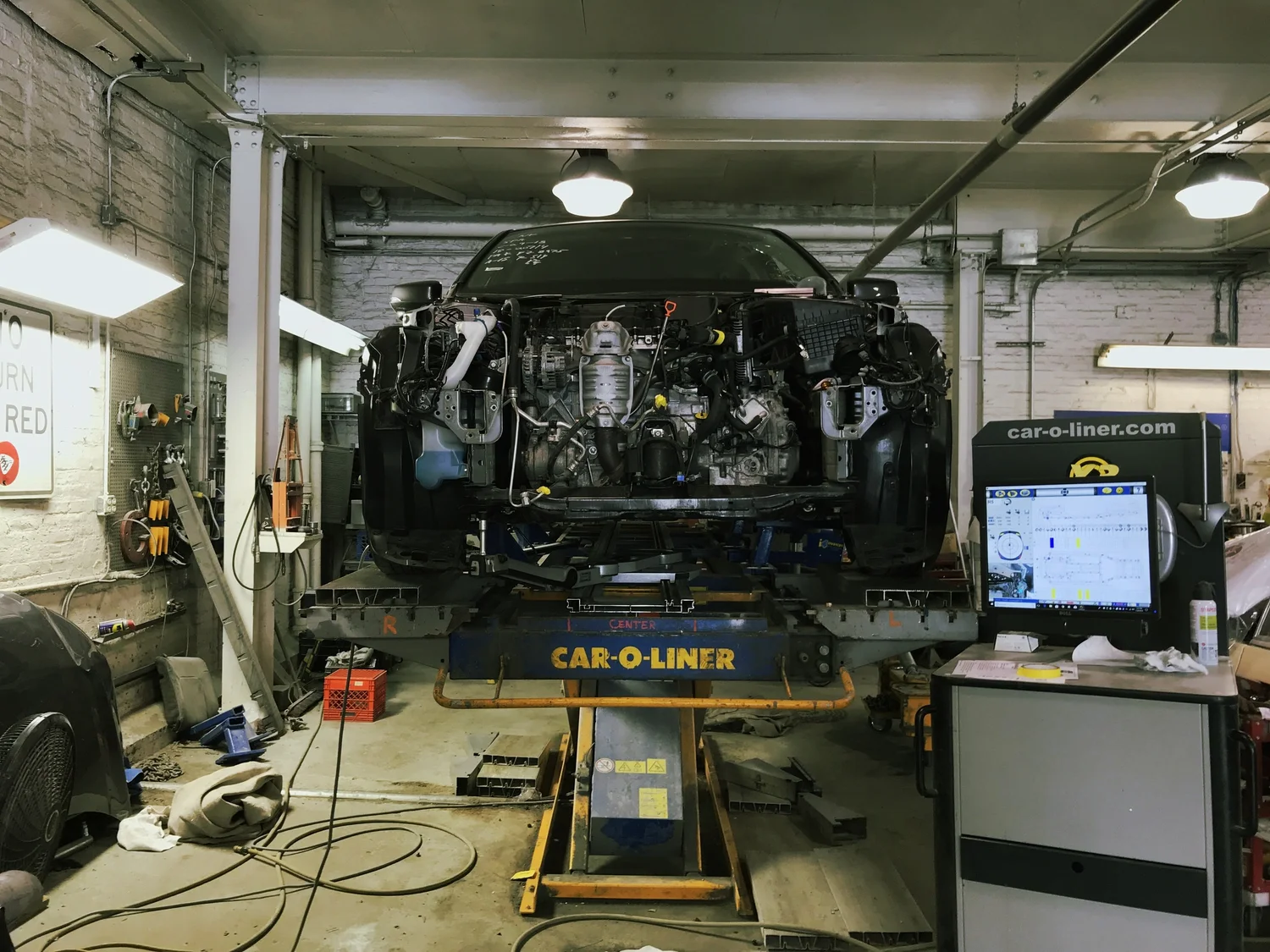
You dropped your car off with an estimate in hand. A few days later the shop calls: they found more damage and sent a "supplement" to your insurance company. It's one of the most common questions we hear.
Supplements are a normal part of collision repair, and one doesn't mean anyone made a mistake. This guide explains why the first estimate changes, how a supplement is reviewed and approved in Pennsylvania, and what you can do about it.
What Is a Supplement?
A supplement is an addition to the original repair estimate. It lists damage, parts, or labor that weren't on the first estimate, usually because nobody could see them until the car was taken apart. It goes to your insurer (or to you, if you're paying yourself) for review.
Why the First Estimate Isn't the Final Bill
The first estimate covers what can be seen
Most first estimates are written from the outside of the car. Pennsylvania's appraisal rules reflect that limit. Under 31 Pa. Code § 62.3, an appraisal has to describe the repairs "known at the time of appraisal, necessary to return the vehicle to its predamaged condition" (§ 62.3(b)(5)). The key words are known at the time of appraisal. Damage tucked behind a bumper cover or under a fender usually isn't known yet.
Hidden damage shows up at teardown
Once we disassemble the damaged area (see what to expect during a collision repair), we can see what the impact did underneath. Depending on the hit, that can include:
- Crushed bumper reinforcements, energy absorbers, and mounting brackets behind the bumper cover
- A bent radiator support or a damaged radiator or A/C condenser after a front-end collision
- Broken clips, tabs, and headlight mounts
- Damaged wiring, cameras, or sensors in and behind bumpers
- Pre-repair and post-repair diagnostic scans, and recalibrating cameras and radar sensors (ADAS) after bumper or windshield work. On newer cars, these are some of the most common supplement items.
- Structural damage that only shows up when the car is measured, which may call for frame straightening
- Suspension or steering parts bent by a hard hit to a wheel
Suspension and steering damage from the accident goes on the supplement and is repaired as part of your claim. For everyday mechanical work like brakes, maintenance, or an alignment that isn't accident-related, we point customers to our friends at Classic Auto Repair.
Other reasons an estimate changes
A part that looked repairable may need replacing once it's off the car, parts prices can differ from the first estimate, and some needs, like refinishing a neighboring panel for a color match, only become clear during the repair.
How a Supplement Gets Reviewed and Approved in Pennsylvania
Step 1: The shop documents the new damage
When we find hidden damage, we document it, update the estimate, and send the supplement to your insurer. Supplements are numbered S01, S02, and so on, and each one lists only the added or changed lines, with photos attached.
Step 2: The insurer reviews it, sometimes with a re-inspection
Pennsylvania's Motor Vehicle Physical Damage Appraiser Act addresses supplements directly. Section 11(e) of the Act (63 P.S. § 861(e)) says: "Supplemental repair estimates that become necessary after the repair work has been initiated due to discovery of additional damage to the motor vehicle may be made by personal inspection or by photographs, videos or telephonic means, provided that in the case of disputed repairs a personal inspection shall be required."
In plain English: the appraiser may review a supplement from photos or video or re-inspect the car in person, and disputed repairs require an in-person look.
Step 3: The appraiser and your shop go over it together
Under § 62.3(f)(3), the appraiser must review the appraisal "with an authorized representative of the repair shop which is selected by the consumer or with any other person reasonably necessary to demonstrate that the actual costs of repairs are adequately covered in the appraisal." In practice, the appraiser and your shop go through the added items. Once they agree on the additional damage, the insurer can approve the supplement and the repair moves forward. The standard they're working toward is in § 62.3(c): the appraisal "shall be made in the amount necessary to return the motor vehicle to its predamaged condition."
That's one reason your choice of shop matters. See Can My Insurance Force Me to Use Their Body Shop?
If you still disagree
The regulation says nothing in the appraiser law or chapter prohibits or limits "the subsequent appraisal or reappraisal of damage by different licensed appraisers, if desired by any of the involved parties" (§ 62.3(g)).
Will a Supplement Cost Me More?
Not necessarily; it depends on your claim and your policy. Approved supplement items are handled as part of the claim. A supplement doesn't add a second deductible. Your deductible applies once per claim. But every Pennsylvania appraisal must include a statement "that costs above the appraised amount may be the responsibility of the vehicle owner" (§ 62.3(b)(2)). So items the insurer doesn't approve, upgrades you choose, or damage unrelated to the accident could end up on your bill.
If you're paying for the repair yourself, Pennsylvania's consumer protection rules for repair shops list "Charging a customer for repairs which were not authorized in writing" as an unfair practice (37 Pa. Code § 301.5(3)). If you set a price limit in advance and the repairs will go over it, "the oral or written authorization of the customer to proceed further shall be obtained" (§ 301.5(3)(ii)).
A supplement can also add time while those items wait for approval and parts.
What to Do When Your Estimate Goes Up
- Ask how supplements work before repairs start, including how the shop will contact you.
- Ask to see the supplement. Each one is numbered (S01, S02, and so on) and lists only the added or changed lines, with photos attached. You can simply ask the shop for "the S01 and the photos."
- Stay reachable. Returning your adjuster's calls quickly helps keep approvals moving.
- Check your rental coverage. If the repair takes longer, ask your insurer how many days of rental your policy covers.
- Approve any extra cost in writing, including upgrades and anything your insurer won't cover.
- Know your options in a dispute. Disputed repairs require an in-person inspection, and you can ask about a reappraisal. If you believe your insurer isn't following Pennsylvania's rules, contact the Pennsylvania Insurance Department.
Still early in the process? See our guide on how to file an insurance claim after a car accident in Philadelphia.
Frequently Asked Questions
What is a supplement on a car repair estimate?
An addition to the original estimate covering damage, parts, or labor found after the first estimate was written, usually once the damaged area is taken apart. The shop documents it and sends it to the insurer for review.
Why didn't the first estimate catch the hidden damage?
A first estimate is usually written before the car is taken apart. Pennsylvania's appraisal rule (31 Pa. Code § 62.3(b)(5)) requires an appraisal to describe the repairs known at the time of appraisal, and hidden damage often isn't known until teardown.
Does the insurance appraiser have to re-inspect my car for a supplement?
Not always. Under Section 11(e) of Pennsylvania's Motor Vehicle Physical Damage Appraiser Act, a supplemental estimate may be made by personal inspection or by photographs, videos, or telephonic means. If the repairs are disputed, a personal inspection is required.
Will a supplement raise my out-of-pocket cost?
Not necessarily. Approved supplement items are handled through your claim. A supplement doesn't add a second deductible. Your deductible applies once per claim. But Pennsylvania appraisals state that costs above the appraised amount may be the vehicle owner's responsibility. Unapproved items, upgrades you choose, or unrelated damage could cost you.
Can I get a second appraisal if I disagree with the insurer?
Yes. 31 Pa. Code § 62.3(g) says nothing in the appraiser law or regulations prohibits or limits a later appraisal or reappraisal by different licensed appraisers if any of the involved parties want one.
Questions About Your Estimate? Talk to Us
Auto Show Collision Center is a family-owned auto body shop at 932 Reed Street in South Philadelphia, serving Philly drivers since 1974. We offer free estimates, work with all insurance companies, and help arrange rental cars while yours is in the shop. Need a tow? Call DiFranco Towing at (215) 271-2100. Bring your estimate or supplement and we'll walk through it with you.
Book your free estimate online, call (215) 463-1755, or email autoshowcollision@msn.com.
Hours: Monday–Friday 8 AM–4 PM, Saturday 8 AM–11 AM.
This article is general information, not legal advice. Laws, regulations, and policy terms can change; check the official sources, read your policy, or consult an attorney about your specific claim. Sources checked October 6, 2026.
Ready for a Free Estimate?
Auto Show Collision Center — 932 Reed Street, Philadelphia, PA 19147
Mon–Fri 8AM–4PM • Sat 8AM–11AM