OEM vs. Aftermarket Parts After a Crash in Pennsylvania: What Your Insurer Has to Tell You
Can insurance use aftermarket parts in PA? What 31 Pa. Code § 62.3 requires on your estimate, OEM vs. aftermarket trade-offs, and how to ask for OEM.
By Autoshow Collision Center · 932 Reed Street, South Philadelphia
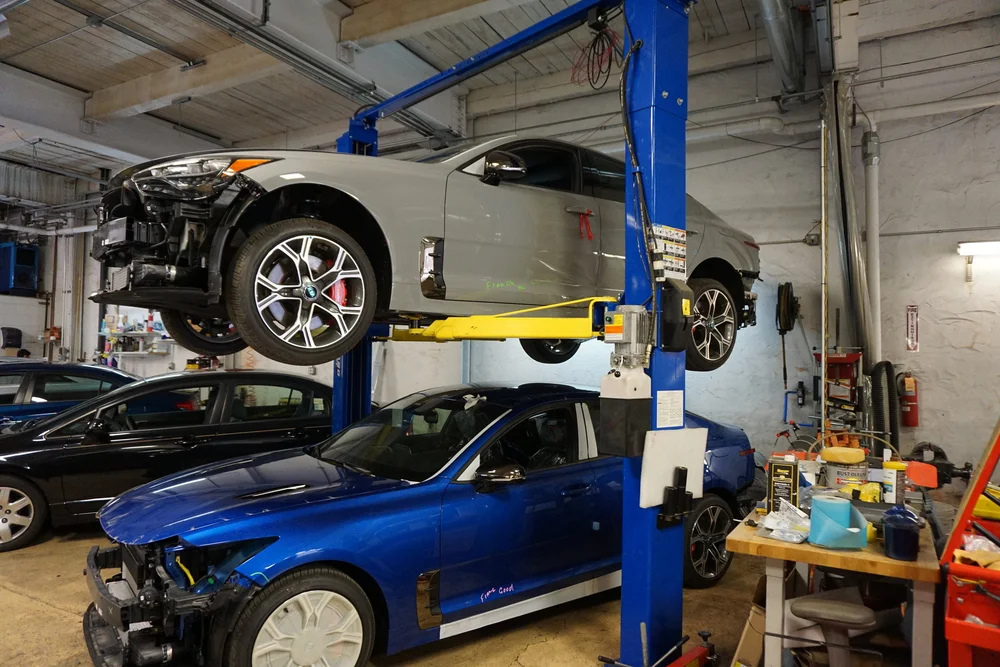
Your insurance estimate lists parts marked "A/M," "LKQ," or "non-OEM." That means it isn't written for new parts from your car's manufacturer. Is that allowed, and do you get a say?
We've been fixing cars in South Philadelphia since 1974. This guide explains the difference between OEM and aftermarket parts, what Pennsylvania's appraisal rules (including 31 Pa. Code § 62.3) require your insurer to disclose, and how to push for the parts you want.
OEM, Aftermarket, and Recycled Parts: What's the Difference?
OEM (original equipment manufacturer) parts
OEM parts are made by, or for, your vehicle's manufacturer, to the same specifications as the parts your car was built with.
Aftermarket parts
Aftermarket parts are made by other companies to replace the original. Quality and fit vary by supplier and part. Pennsylvania's appraiser regulation has its own, narrower term, an "aftermarket crash part," which it defines as "a nonoriginal equipment manufacturer (non-OEM) replacement part, either new or used, for any of the nonmechanical parts that generally constitute the exterior of the motor vehicle, including inner and outer panels" (31 Pa. Code § 62.1). In plain English: bumper covers, fenders, hoods, doors, and other body panels. Mechanical parts aren't part of that definition.
Recycled and reconditioned parts
Estimates may also list used parts from another vehicle ("recycled" or "LKQ") or rebuilt parts. A used part can be an original manufacturer part, so "used" doesn't automatically mean "aftermarket."
Can Insurance Use Aftermarket Parts in PA?
Yes, Pennsylvania's appraisal rules allow an insurance estimate to be written with aftermarket crash parts, but they don't let the insurer do it quietly. Chapter 62 of Title 31 of the Pennsylvania Code governs motor vehicle physical damage appraisers, including appraisals made by insurers and their staff. Section 62.3 sets out what every appraisal has to contain. Whether your policy pays for OEM parts is a separate question that depends on your policy language, so ask your agent whether you have, or can add, any OEM parts coverage.
What 31 Pa. Code § 62.3 Requires on Your Estimate
The estimate has to flag aftermarket parts
If the appraisal includes aftermarket crash parts, it must contain:
- A statement that the appraisal "has been prepared based on the use of aftermarket crash parts" (§ 62.3(b)(10)).
- "Identification of all aftermarket crash parts and a definition of aftermarket crash parts" consistent with § 62.1 (§ 62.3(b)(11)).
You shouldn't have to decode abbreviations, either: the regulation says the appraisal may not use abbreviations or symbols to describe the work or parts "unless an explanation of the abbreviations and symbols is included" (§ 62.3(a)(2)).
Warranty protection if an aftermarket part voids yours
If an aftermarket crash part would void the existing warranty on the part being replaced or on any other part, § 62.3(b)(10) requires that "the aftermarket crash part shall have a warranty equal to or better than the remainder of the existing warranty." (For more on how repair warranties work, see our guide, Does My Collision Repair Come with a Warranty?)
Parts have to restore your car to its pre-accident condition
The appraisal must describe the repairs needed "to return the vehicle to its predamaged condition, including labor involved, cost of all parts, necessary painting or refinishing and all sublet work to be done" (§ 62.3(b)(5)). It must also list "the location where the listed parts are available in a condition equivalent to, or better than, the condition of the replaced parts prior to the accident" (§ 62.3(b)(9)). And § 62.3(c) says the appraisal "shall be made in the amount necessary to return the motor vehicle to its predamaged condition."
You choose the shop, and the shop gets a seat at the table
Every appraisal must include "a statement that there is no requirement to use any specified repair shop" (§ 62.3(b)(3)). The appraiser must also "review the appraisal with an authorized representative of the repair shop which is selected by the consumer" (§ 62.3(f)(3)). We cover the shop-choice rule in detail in Can My Insurance Force Me to Use Their Body Shop?
Costs above the estimate, and getting a second look
The appraisal has to include "a statement that costs above the appraised amount may be the responsibility of the vehicle owner" (§ 62.3(b)(2)). That's why it pays to settle the parts question before work starts. The regulation also says nothing in the chapter prohibits or limits "the subsequent appraisal or reappraisal of damage by different licensed appraisers, if desired by any of the involved parties" (§ 62.3(g)).
Separately, Pennsylvania's consumer protection rules for repair shops (37 Pa. Code § 301.5) require a shop to tell you, before you authorize repairs, "whether a part to be supplied is new, used, reconditioned or rebuilt."
OEM vs. Aftermarket: Which Is Right for Your Car?
Things to weigh:
- Fit and finish. Panels and bumper covers must line up with the parts around them; a poor fit can mean extra labor for even gaps and a clean paint match. See our bumper repair and car paint shop pages for how we handle that work.
- Warranty, lease, or loan. On a newer car, read the warranty disclosure closely. On a leased or financed car, check your paperwork for repair requirements.
- Sensors and safety equipment. Many newer cars have cameras and sensors in or behind bumpers and grilles. Ask how a replacement part will work with them.
- Structural damage. If the frame or unibody was affected, see our frame straightening service.
- Cost and availability. Aftermarket or recycled parts can cost less or arrive sooner, which can be a fair trade-off on an older car.
How to Ask for OEM Parts on Your Claim
- Read the estimate line by line. Look for the aftermarket statement and parts list required by § 62.3(b)(10)–(11). If abbreviations aren't explained, ask for an explanation.
- Check your policy. Ask your agent or adjuster whether your coverage pays for OEM parts, and whether an OEM endorsement is available for future policies.
- Bring it to the shop you choose. Your shop can flag parts it doesn't think will restore the car and review the appraisal with the insurer's appraiser.
- Get any upgrade in writing. If you decide to pay the difference for OEM parts, make sure the agreement is in writing before work begins.
- Escalate if you need to. If you believe your insurer isn't following Pennsylvania's rules, you can file a complaint or ask a question through the Pennsylvania Insurance Department's consumer help center.
If you're still early in the process, our step-by-step guide on how to file an insurance claim after a car accident in Philadelphia walks through everything from the scene to the shop.
Getting Your Parts Questions Answered in South Philly
Our shop at 932 Reed Street is a short drive from Passyunk Square, East Passyunk, Bella Vista, Pennsport, and Point Breeze. Bring your estimate and we'll go through the parts list with you and work with your insurer on the collision repair.
Frequently Asked Questions
Can my insurance company use aftermarket parts in Pennsylvania?
Pennsylvania's appraisal rules allow an insurance estimate to be based on aftermarket crash parts, but 31 Pa. Code § 62.3 requires the estimate to say so, to identify every aftermarket crash part, and to define the term. Whether your policy pays for OEM parts depends on your policy language.
What is an aftermarket crash part under Pennsylvania law?
31 Pa. Code § 62.1 defines it as a non-OEM replacement part, new or used, for the nonmechanical parts that generally make up the exterior of the vehicle, including inner and outer panels. In practice, that means body parts like bumper covers, fenders, hoods, and doors.
What happens if an aftermarket part voids my car's warranty?
Under 31 Pa. Code § 62.3(b)(10), if the use of an aftermarket crash part voids the existing warranty on the part being replaced or any other part, the aftermarket crash part must carry a warranty equal to or better than the remainder of the existing warranty.
Can I pay the difference to get OEM parts?
Yes. The regulation notes that costs above the appraised amount may be the vehicle owner's responsibility, so if your policy doesn't cover OEM parts you can usually choose to pay the difference. Get the agreement in writing before repairs start.
Do I have to use the body shop my insurer recommends?
No. Every Pennsylvania appraisal must include a statement that there is no requirement to use any specified repair shop, and the appraiser must review the appraisal with the shop you choose.
Get a Free Estimate and a Straight Answer on Parts
Autoshow Collision Center is a family-owned auto body shop at 932 Reed Street in South Philadelphia, serving Philly drivers since 1974. We offer free estimates, work with all insurance companies, provide 24/7 towing, and help arrange rental cars while yours is in the shop.
Book your free estimate online, call (215) 463-1755, or email autoshowcollision@msn.com.
Hours: Monday–Friday 8 AM–4 PM, Saturday 8 AM–11 AM.
This article is general information, not legal advice. Regulations and policy terms can change; check the linked official sources, read your policy, or consult an attorney about your specific claim. Sources checked October 2, 2026.
Ready for a Free Estimate?
Autoshow Collision Center — 932 Reed Street, Philadelphia, PA 19147
Mon–Fri 8AM–4PM • Sat 8AM–11AM